
Boiler Installation FAQs — Gas Wizard's Guide for Homeowners
By Robert Wilson
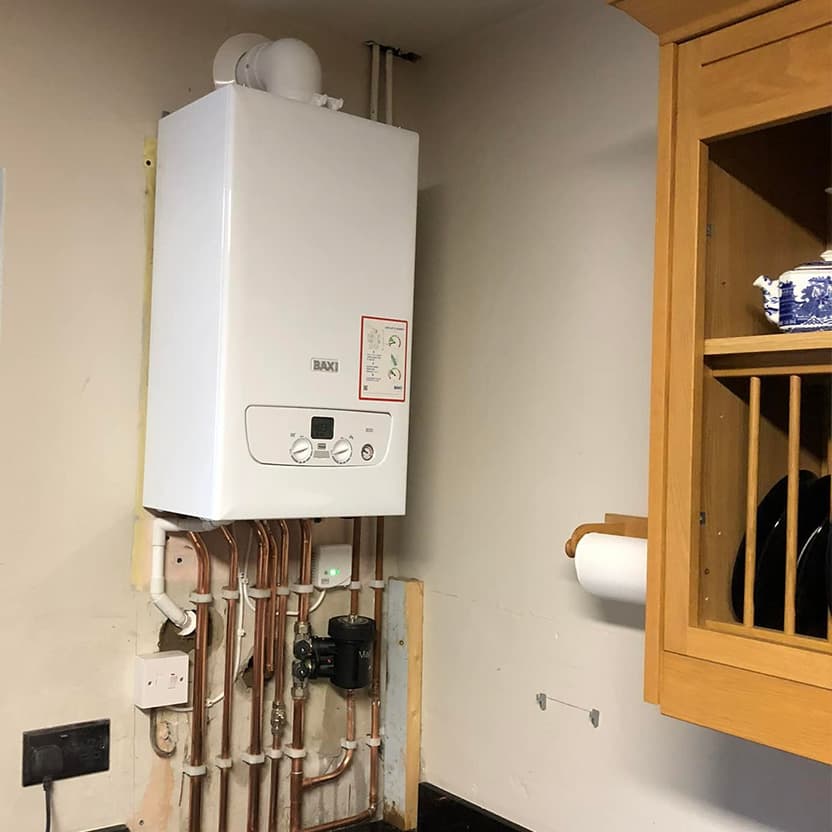
Boiler installation FAQs — clear answers for homeowners
Installing a new boiler is a significant investment that improves comfort and energy efficiency when done correctly. These boiler installation FAQs explain the main types of boilers, what happens during an installation, maintenance needs and who should carry out the work. With 20+ years' experience, a Gas Safe registered team and a 5.0 Google rating, we help homeowners across Newcastle, Northumberland and surrounding areas make the right choice.
What types of boilers are available?
Understanding the three main boiler types will help you match a system to your home and hot-water needs.
Combi boilers
Combi (combination) boilers heat water on demand and do not require a separate hot water cylinder or cold-water tank. They save space and are often suitable for smaller properties or homes with limited loft/utility room space.
System boilers
System boilers work with a separate hot water cylinder but do not need a cold-water storage tank. They suit larger properties with higher hot-water demand, for example homes with multiple bathrooms where several outlets may be used at once.
Conventional (regular/heat-only) boilers
Conventional boilers require both a hot water cylinder and a cold-water tank, typically installed in a loft. They are often used in older properties or where existing central-heating systems and plumbing make a regular boiler the most appropriate option.
How do I choose the right boiler?
Choosing the correct boiler depends on several factors: the size of your property, the number of bathrooms, hot-water usage patterns and available space for equipment. A combi boiler is frequently chosen for smaller homes, while system or conventional boilers better suit larger houses with greater simultaneous hot-water demand. A qualified heating engineer can carry out a site assessment and recommend the best type and size for your property — see our boiler installation service for more on surveys and recommendations.
What is involved in a boiler installation?
A professional installation follows a clear sequence to ensure safety, efficiency and compliance with regulations.
- Assessment: survey of the property and heating system, confirmation of boiler type and capacity required.
- Preparation: removal of the old unit (if applicable), inspection and preparation of pipework and flues.
- Installation: fitting the new boiler, connecting to the heating and hot water circuits and installing necessary controls.
- Commissioning and testing: full system checks, safety tests and adjustments so the boiler runs safely and efficiently.
- Handover: demonstration of controls and timers, and provision of documentation including service and warranty information.
How long does a boiler installation take?
Timescales vary with the complexity of the job. A direct like-for-like replacement in the same location is often completed within a day, while installs that require new pipework, flue alterations or relocation of the boiler can take two to three days or longer. Your heating engineer will give a clear timeline after the initial survey.
What affects boiler installation cost?
Installation cost depends on multiple factors rather than a fixed figure. Important considerations include:
- boiler type and output
- complexity of pipework and flue work
- need to relocate or adapt the system (e.g. adding a hot water cylinder)
- access to the installation area and time required
- any remedial work, such as radiator upgrades or power-flushing
Because every home is different, we recommend requesting a detailed, itemised quote so you can compare options and warranties. Contact us to arrange a no-obligation survey and estimate via our contact page.
Can I install a boiler myself?
No. Boiler installation involves gas connections, flues and plumbing that must comply with UK building regulations. Work should only be carried out by Gas Safe registered engineers. Incorrect installation can create serious safety hazards, invalidate warranties and lead to non-compliance with regulations — always use a qualified professional.
What maintenance does a new boiler need?
Regular servicing keeps a new boiler running efficiently, helps spot small problems before they become costly, and supports warranty conditions. We recommend an annual service carried out by a qualified engineer. Regular maintenance may also improve lifetime performance and fuel efficiency. Find out about our servicing options on the boiler servicing page or consider our service plans for ongoing cover.
What should I do if I have issues with a new boiler?
If your new boiler shows faults or warning indicators, contact the installer or a Gas Safe qualified engineer promptly. Many issues are resolved quickly by a professional; trying DIY repairs can be dangerous and may void the warranty. If you need assistance, call our team on 07890 242485 or use the contact form.
Where we work
We provide installations, repairs and servicing across Newcastle, Northumberland and nearby towns, including Blyth, Cramlington, Ashington and North Shields. Our family-run team of Gas Safe registered engineers is experienced in installations, repairs and ongoing maintenance for domestic customers.
Ready to discuss a new boiler?
If you have more questions or would like a site survey and tailored quote, get in touch. We carry out assessments, provide clear recommendations and handle installations to current safety standards — visit our boiler installation page or contact us directly via the contact page.


