
Boiler Maintenance Tips — Keep Your Heating Efficient & Safe
By Robert Wilson
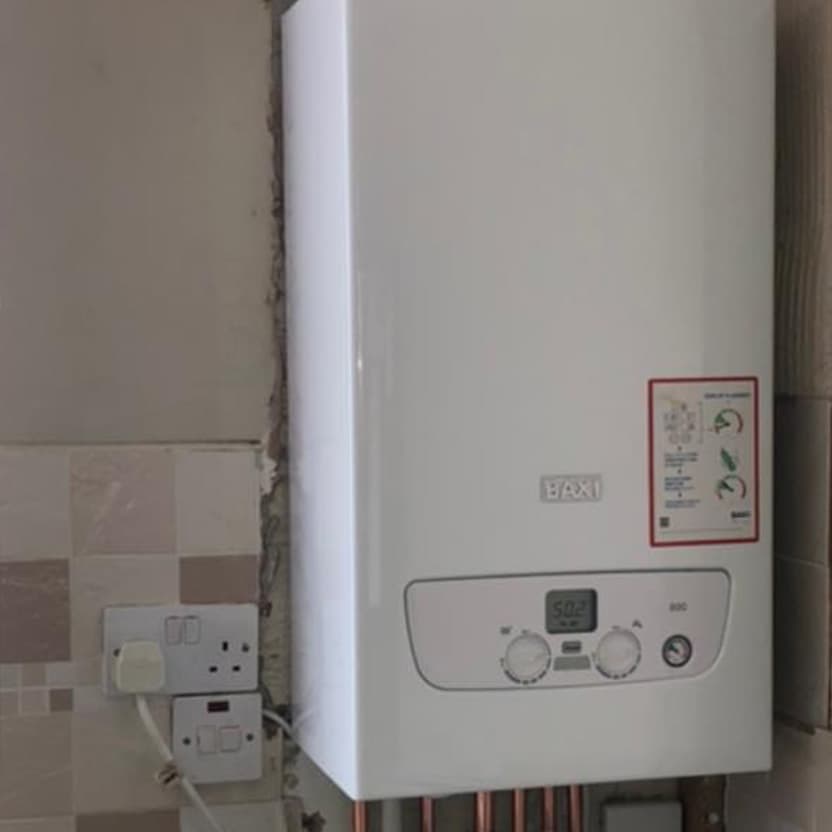
Essential boiler maintenance tips to keep your heating reliable
Regular boiler maintenance is the most effective way to keep your central heating efficient, safe and long‑lasting. These boiler maintenance tips cover simple checks you can do yourself and clear guidance on when to call a qualified engineer. Use them to spot minor issues early, avoid unexpected breakdowns and get the best from your heating system.
Why proactive boiler maintenance matters
Neglecting a boiler increases running costs, shortens lifespan and raises the risk of faults or dangerous faults developing. A small amount of routine attention — combined with an annual service from a Gas Safe registered engineer — protects your home, improves performance and can prevent more costly repairs later.
1. Book an annual service with a qualified engineer
An annual service carried out by a Gas Safe registered technician is the cornerstone of good maintenance. During a service the engineer will inspect controls, clean critical components, check combustion and safety measures, and identify worn parts before they cause failure. If you don’t already have a maintenance schedule, ask about our service plans to simplify annual visits and ongoing care.
2. Bleed radiators to remove trapped air
If radiators have cold spots or heat unevenly, trapped air is usually to blame. Bleeding radiators is a straightforward DIY task that restores efficient heat transfer and reduces strain on the boiler. Turn off the heating, use a radiator key to open the valve until water appears, then recheck the system pressure once the heating is back on.
3. Check and maintain the system pressure
Low pressure reduces heating efficiency and can prevent the boiler from firing up. Learn to read the pressure gauge on your boiler and follow the manufacturer’s instructions to repressurise the system when needed. If pressure drops frequently, that can indicate a leak or a problem with the expansion vessel — contact an engineer to investigate.
4. Insulate exposed pipes
Insulating accessible pipes, especially in lofts, basements and unheated cupboards, reduces heat loss and protects against freezing in winter. Foam pipe lagging is inexpensive and simple to fit; for more complex systems or where pipes run through external walls, ask a professional for advice to avoid damaging controls or valves.
5. Keep the area around the boiler clear
A minimum clearance around the boiler is essential for safe operation, adequate ventilation and effective servicing. Avoid storing items directly in front of or beneath the appliance and ensure the engineer can access the boiler easily during inspections or repairs.
6. Listen and smell for warning signs
Unusual noises (clanking, kettling or gurgling) or odd smells (a sharp chemical odour or fuel‑like smell) can signal problems such as limescale build‑up, air in the system, or combustion issues. Don’t ignore persistent noises or new odours — switch the boiler off and contact a qualified engineer for advice.
7. Fit a carbon monoxide detector
Carbon monoxide is colourless and odourless but potentially fatal if produced by a faulty boiler. Fit an independent carbon monoxide alarm close to the boiler and test it regularly. Alarms should meet British Standards and be installed according to the manufacturer’s guidance; if the alarm activates, leave the property immediately and seek professional help.
8. Consider upgrading an old or inefficient boiler
Older boilers can be less efficient and more prone to faults. If your boiler is regularly requiring repairs, struggling to heat your home, or is past its expected service life, replacing it with a modern, energy‑efficient model may save money on bills and reduce headlines repairs. Speak to a qualified installer about the potential benefits and to get an accurate quote tailored to your home and heating needs.
When to call a professional
If you notice persistent pressure loss, leaks, repeated fault codes, visible corrosion or any worrying sounds or smells, arrange a visit from a Gas Safe registered engineer. For routine care such as servicing, repairs and upgrades we offer comprehensive boiler servicing and repair options — see our pages on boiler servicing and boiler repair for details.
Arrange expert boiler maintenance in your area
Our family‑run team has over 20 years’ experience, are Gas Safe registered and have strong local knowledge across Newcastle, Northumberland, Blyth, Cramlington, Ashington, North Shields and surrounding areas. We’re rated highly by local customers for reliable, professional service. To discuss maintenance, servicing plans or to request a quote, contact us and our heating engineers will advise on the best course of action for your boiler.
Following these boiler maintenance tips helps protect your investment, improve comfort and reduce the chance of emergency repairs. Regular checks, sensible insulation, prompt attention to warning signs and an annual engineered service will keep your system working efficiently year after year.


