
Boiler Safety Tests During Maintenance — What Engineers Check
By Robert Wilson
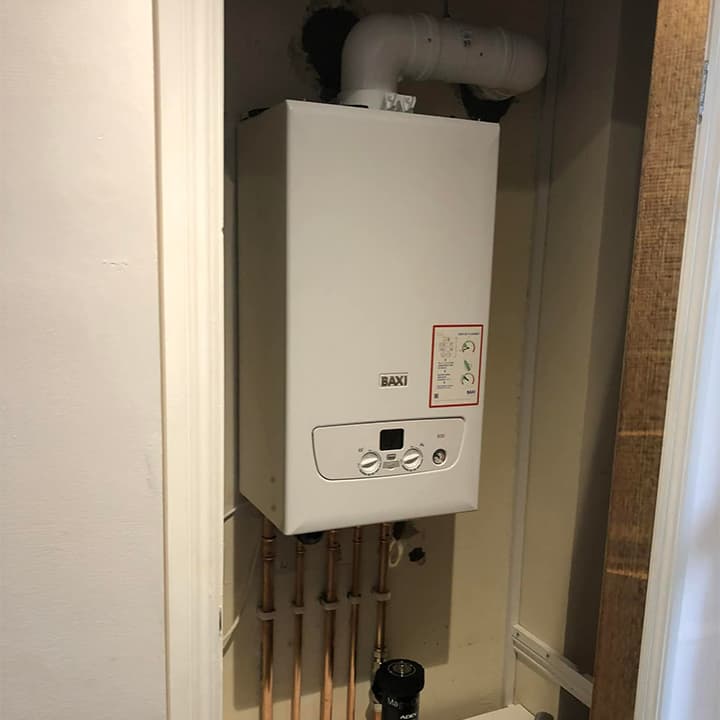
What safety tests are done during boiler maintenance — a practical guide
If you're searching for what safety tests are done during boiler maintenance, this guide explains the checks an engineer will perform and why each one matters. A routine service is more than a performance tune-up: it confirms the appliance is safe for everyday use, reduces the risk of dangerous faults such as gas leaks or carbon monoxide exposure, and helps identify developing problems before they become emergencies.
Why safety testing is part of every boiler service
Boiler maintenance in Northumberland and Newcastle — and across the UK — follows a structured set of safety checks. These protect occupants, ensure compliance with manufacturer guidance and gas-safety best practice, and maintain efficient operation. Below we outline the core tests and inspections engineers routinely carry out during a service.
1. Gas tightness and soundness testing
One of the first checks is a gas-tightness test on the supply pipework between the meter and the boiler. This confirms there are no leaks that could allow gas to escape into the property. Even very small leaks can be hazardous, so if a pressure drop is detected the engineer will investigate further to locate and repair the fault before any internal work continues. Verifying the integrity of the gas supply is fundamental to safe operation.
2. Flue integrity and ventilation checks
The flue removes combustion gases from the boiler and vents them safely outside. During servicing the flue is inspected for signs of damage, incorrect installation, poor sealing or blockages such as debris or nesting material. Ventilation is assessed at the same time to make sure there is sufficient airflow for safe combustion. Poor ventilation or a compromised flue can reduce efficiency and create safety risks, so both elements are checked thoroughly.
3. Carbon monoxide and combustion analysis
Carbon monoxide (CO) is colourless and odourless, so engineers use specialist combustion analysers to check the burner’s performance and measure emissions. These tests identify incomplete combustion that could produce CO and confirm the boiler is burning fuel efficiently within safe parameters. Regular servicing significantly reduces the risk of undetected carbon monoxide leaks by spotting faults early.
4. System pressure and expansion vessel inspection
Correct system pressure is essential for reliable, safe operation. The engineer will check the system pressure against the manufacturer’s recommended range and look for signs of leaks or pressure fluctuations. The expansion vessel — which absorbs pressure changes as the system heats and cools — is also inspected. A faulty expansion vessel can lead to frequent pressure loss, safety valve discharges or repeated shutdowns, so confirming its condition is important.
5. Burner, heat exchanger and internal condition
The burner is checked for correct ignition and stable flame characteristics; dirt or misadjustment can affect both safety and combustion efficiency. The heat exchanger is examined for cracks, corrosion or debris build-up. Because the heat exchanger separates combustion gases from the water in the heating circuit, any deterioration here can lead to serious faults. Early detection of wear or damage prevents escalation and helps maintain safe, efficient performance.
6. Safety devices and automatic shut-off controls
Modern boilers include multiple built-in safety mechanisms designed to shut the appliance down if unsafe conditions occur. During a service the engineer tests components such as thermostats, pressure relief valves and overheat protection devices to ensure they operate correctly. These checks confirm the boiler will isolate itself if temperatures or pressures exceed safe limits.
7. Condensate pipe and drainage checks
Condensing boilers rely on a condensate pipe to remove acidic condensate produced during operation. Engineers inspect this system to ensure it is clear and draining correctly. Blocked or frozen condensate pipes are a common cause of boiler failure in colder months; preventing blockages reduces the likelihood of winter breakdowns.
8. Final operational and performance testing
After safety checks and any necessary adjustments, the engineer restarts the boiler and tests it under normal operating conditions. They will confirm the boiler fires correctly, responds to controls, heats water efficiently and shuts down as required. This final stage verifies that all safety systems work together and that the appliance is ready for continued, safe use.
What you should expect and what to do afterwards
A professional service will finish with a verbal summary of findings and any recommended follow-up work. If repairs or replacements are required, the engineer should explain the issue and next steps. Keep records of your service for warranty and insurance purposes — and consider joining a service plan to ensure regular maintenance and priority response during colder months. To learn more about our planned maintenance options, see our service plans.
Book a safety-focused boiler service
Our family-run team of Gas Safe registered engineers carries out comprehensive safety testing across Northumberland, Blyth, Cramlington, Ashington, North Shields and surrounding areas. For a thorough boiler service that prioritises safety and reliability, contact us by phone on 07890242485 or use our contact form. You can also find full details of the service we offer on our boiler servicing page.
Safety note: If you suspect a gas leak or detect symptoms of carbon monoxide exposure (headaches, dizziness, nausea), leave the property immediately and call the emergency services and your gas supplier. Routine servicing helps prevent these risks, but suspected leaks require immediate action.


